Boundary chain link and barbed wire fencing work
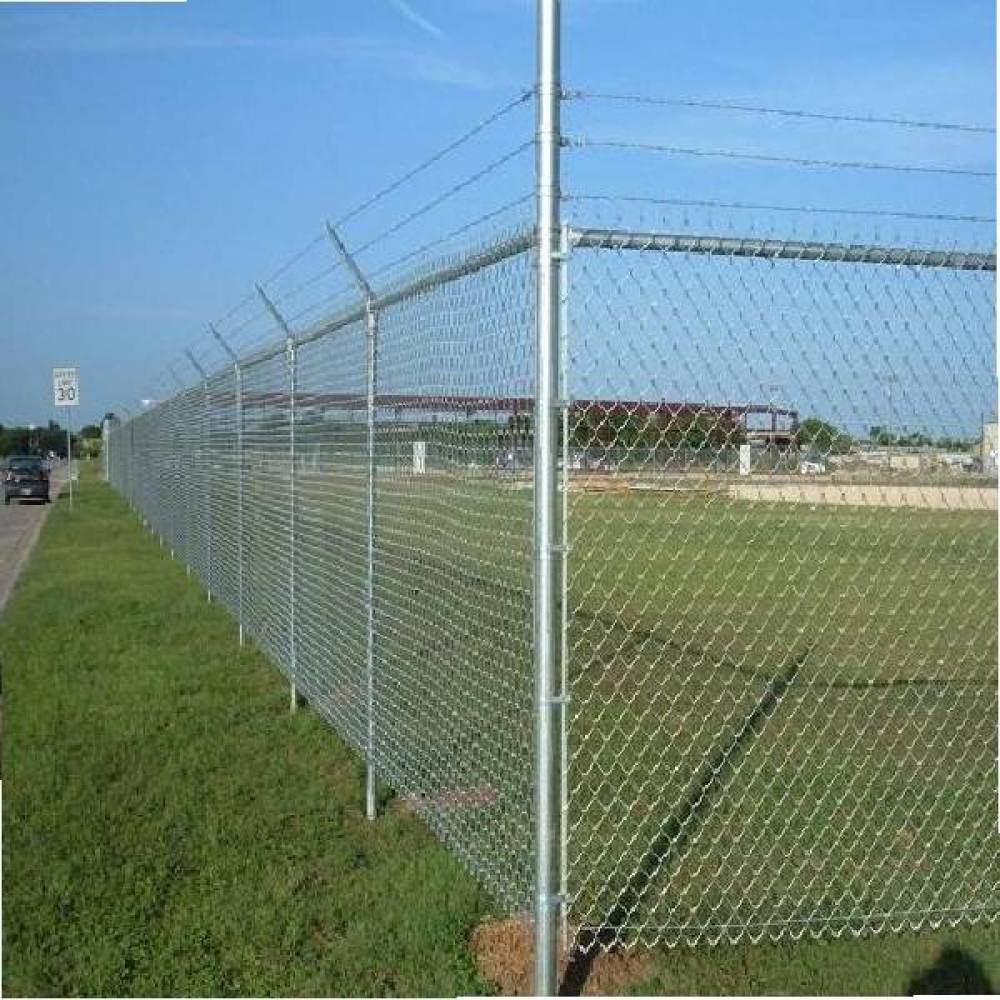
Boundary chain link and barbed wire fencing work
Boundary chain link and barbed wire fencing work involves the installation of fences around a property perimeter for security, demarcation, or containment purposes. Here's a description of the typical steps involved in this type of fencing work:
-
Survey and Planning:
- Conduct a survey of the property boundaries to determine the exact perimeter lines and any obstacles or terrain features that may affect the fence installation.
- Develop a fencing plan based on the property layout, security requirements, and client preferences. Consider factors such as fence height, material selection, gate placement, and any legal or zoning regulations.
-
Material Procurement:
- Procure the necessary materials for the fence installation, including chain link fabric, line posts, terminal posts, barbed wire strands, gates, hinges, latches, and concrete for post footings.
-
Site Preparation:
- Clear vegetation, debris, and obstructions along the fence line to create a clear pathway for installation.
- Mark the locations for fence posts at regular intervals along the perimeter line, ensuring proper spacing and alignment according to the fencing plan.
-
Post Installation:
- Dig holes for the fence posts using a post hole digger or auger, taking into account the recommended depth and diameter for the specific post type and soil conditions.
- Set the posts securely in the holes using concrete for stability and support, ensuring that they are plumb and aligned according to the fence layout.
-
Chain Link Installation:
- Unroll the chain link fabric along the fence line, attaching it to the line posts using tension bands, tension bars, and wire ties.
- Stretch the chain link fabric taut between the line posts, adjusting the tension as needed to remove any sagging or slack.
- Secure the chain link fabric to the terminal posts using tension bands and tension bars, and install top rail and bottom tension wire for additional support and stability.
-
Barbed Wire Installation:
- Install barbed wire strands above the chain link fence to deter climbing or trespassing.
- Attach the barbed wire strands to the top of the fence using barbed wire arms or brackets, ensuring proper spacing and tension to prevent sagging.
-
Gate Installation:
- Install gates at designated entry points along the fence line, ensuring proper alignment and functionality.
- Attach hinges, latches, and gate hardware to the gate posts, and adjust for smooth operation and secure closure.
-
Finishing Touches:
- Inspect the completed fence installation for any defects, gaps, or inconsistencies, and make any necessary adjustments or repairs.
- Apply coatings or treatments to the fence materials as needed for protection against corrosion, weathering, or vandalism.
-
Cleanup and Site Restoration:
- Remove any construction debris or excess materials from the site, and restore disturbed areas to their original condition.
- Dispose of waste materials in accordance with local regulations and environmental best practices.
-
Client Handover and Maintenance Guidelines:
- Review the completed fencing project with the client, ensuring their satisfaction with the workmanship and addressing any questions or concerns.
- Provide guidelines for ongoing fence maintenance, including recommendations for cleaning, repairs, and periodic inspections to ensure long-term durability and performance.
By following these steps and adhering to industry best practices, fencing contractors can successfully install boundary chain link and barbed wire fences to meet the security and containment needs of residential, commercial, or industrial properties.

Shaping Metal, Shaping the Future
Quick Links
Contact Information
-
Makvana Engineering,
NEAR BHARAT GAS OFFICE,
KODINAR-VERAVAL HIGHWAY,
KODINAR.-362720