Piping Work
Piping Work
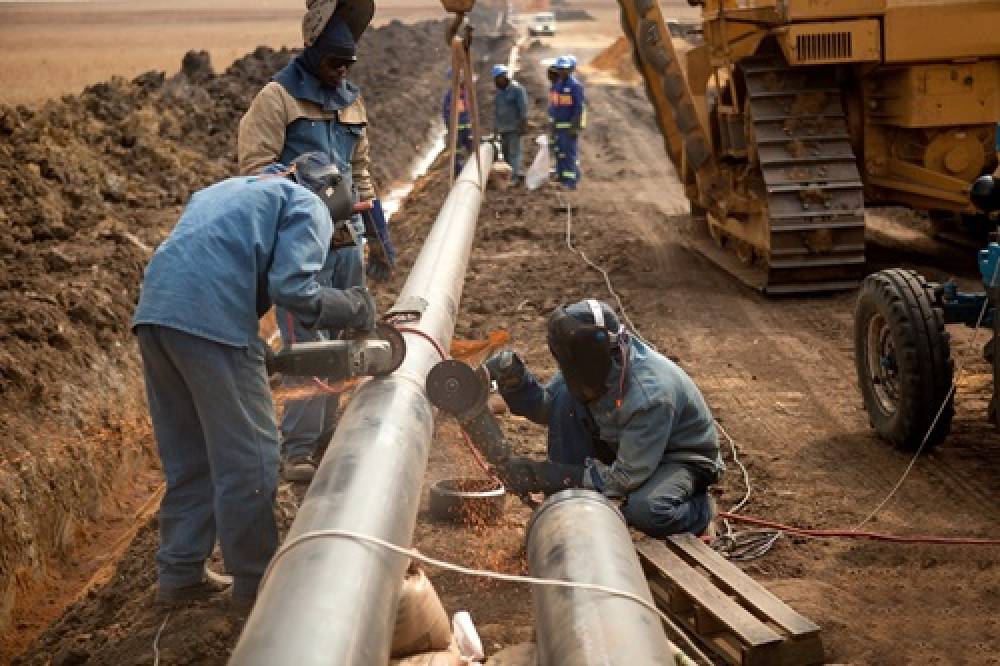
Fabrication of MS (Mild Steel) or GI (Galvanized Iron) piping involves several steps to ensure the construction of sturdy, reliable, and safe pipelines. Here's a general description of the fabrication process:
-
Material Procurement:
- Procure the required MS or GI pipes, fittings, valves, and other accessories according to the project specifications and engineering drawings.
-
Pipe Cutting:
- Use appropriate cutting tools such as hacksaws, pipe cutters, or oxy-acetylene torches to cut the pipes to the required lengths as per the design requirements.
-
Beveling and Deburring:
- Bevel the pipe ends to facilitate proper welding joints. Remove any burrs or sharp edges from the cut ends to ensure a smooth surface for welding and prevent injury during handling.
-
Fit-up and Alignment:
- Position the pipes, fittings, and components according to the piping layout drawings. Ensure proper alignment and fit-up to achieve accurate connections and avoid misalignment issues during welding.
-
Welding:
- Weld the joints using appropriate welding techniques such as shielded metal arc welding (SMAW), gas tungsten arc welding (GTAW), or gas metal arc welding (GMAW). Ensure that welders are qualified and follow welding procedures specified by relevant standards.
-
Pressure Testing:
- Conduct pressure tests on the fabricated piping system to verify its integrity and leak-tightness. Use hydrostatic or pneumatic testing methods as per project requirements and industry standards.
-
Surface Treatment:
- Apply surface treatments such as painting, galvanizing, or coating to protect the fabricated pipes from corrosion and environmental damage. Ensure that surface preparation and coating application comply with industry standards and project specifications.
-
Installation:
- Install the fabricated piping system according to the approved drawings and installation procedures. Use appropriate supports, hangers, and anchors to secure the pipes in place and maintain proper alignment.
-
Inspection and Quality Assurance:
- Inspect the fabricated piping system at various stages of fabrication and installation to ensure compliance with design specifications, codes, and standards. Conduct visual inspections, non-destructive testing (NDT), and dimensional checks as required.
-
Documentation and Handover:
- Prepare documentation such as fabrication records, weld maps, material test certificates, and as-built drawings. Complete necessary documentation for regulatory compliance and handover to the client or project stakeholders upon completion.
Throughout the fabrication process, it's essential to maintain strict adherence to safety protocols, quality control measures, and project schedules to ensure the successful completion of the piping works.
Shaping Metal, Shaping the Future
Quick Links
Contact Information
-
Makvana Engineering,
NEAR BHARAT GAS OFFICE,
KODINAR-VERAVAL HIGHWAY,
KODINAR.-362720